Understanding the psychological triggers that drive casino gambling behavior
The Allure of Risk and Reward
One of the primary psychological triggers that drive casino gambling behavior is the allure of risk and reward. The uncertainty associated with gambling creates a thrill that can be intoxicating. This excitement stems from the possibility of winning large sums of money, which acts as a powerful motivator. The brain’s reward system lights up when a player wins, releasing dopamine, a neurotransmitter associated with pleasure and satisfaction. This can create a cycle of behavior where individuals are drawn back to the casino in hopes of replicating that euphoric feeling. For those looking for reliable platforms, checking out nba betting sites can be a great start.
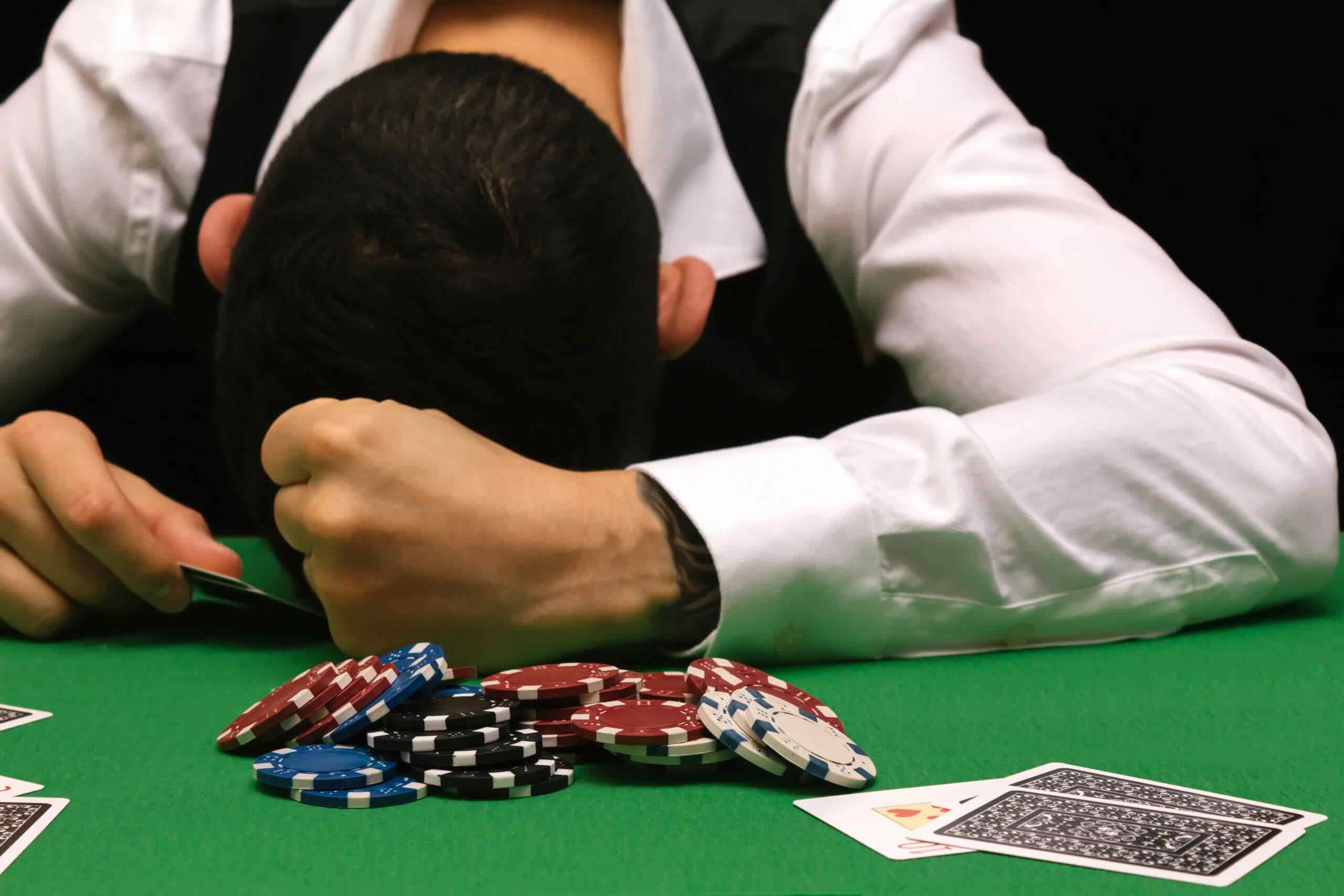
Moreover, the experience of risk in gambling serves to heighten emotions. When players place a bet, they may feel a surge of adrenaline, akin to extreme sports. This rush can be addictive, encouraging gamblers to chase that feeling again and again. As they experience wins, even small ones, the emotional highs further reinforce their behavior, making it challenging to walk away from the tables or machines.
The psychology of near-misses also plays a crucial role. Players often perceive a near-miss—such as one number off in roulette or two matching symbols on a slot machine—as a sign of potential success. This can lead to continued play as they believe they are ‘due’ for a win. The thrill of near-misses can perpetuate gambling behavior, keeping players engaged longer than intended.
The Role of Social Influence
Social dynamics significantly impact casino gambling behavior. Many individuals are influenced by their peers, friends, or family members who gamble. Whether it’s the encouragement from friends on a night out or familial traditions surrounding gambling, these social cues can normalize and even glamorize the act of gambling. The presence of others can amplify the experience, making it more enjoyable and encouraging individuals to take risks they might not typically consider.
Additionally, casinos are designed to foster social interaction. The layout often includes social spaces, such as bars and restaurants, where gamblers can congregate and share their experiences. This sense of community can strengthen the connection to gambling and normalize frequent visits. As people engage with others who share similar interests, they may feel compelled to participate in activities they might not undertake alone.
Moreover, social media’s influence cannot be ignored. The rise of online platforms allows for shared experiences and discussions around gambling. Many users showcase their winnings or boast about their gambling experiences, which can further attract others to try their luck. This digital camaraderie creates a feedback loop that reinforces the idea that gambling is a fun and socially acceptable activity, often leading to increased participation.
The Impact of Environment and Design
The physical environment of casinos is meticulously designed to enhance the gambling experience and manipulate players’ emotions. Bright lights, vibrant colors, and loud sounds create an atmosphere that is both exciting and immersive. This sensory overload is meant to distract players from time and their spending, encouraging them to stay longer. The arrangement of slot machines and tables often creates an inviting feel, making it difficult for players to walk away once they’ve begun.
Another key design element is the absence of windows and clocks in many casinos. This design choice is intentional, as it removes natural cues that signify the passage of time. Players can lose track of hours while engrossed in the action, leading to extended gambling sessions. The lack of awareness about how much time has passed can increase the likelihood of spending more money than initially planned, creating a cycle of behavior driven by the casino’s environment.
Furthermore, the use of free drinks and comp programs can also serve as psychological triggers. Offering complimentary beverages encourages players to gamble longer, as they associate the casino with relaxation and enjoyment. These small incentives can reinforce the idea that gambling is a rewarding experience, both financially and socially, ultimately keeping players engaged in their activities.
The Power of Cognitive Dissonance
Cognitive dissonance is a psychological phenomenon that can also explain why individuals continue to gamble despite losses. When players invest significant time and money into gambling, they may feel compelled to continue playing to justify their earlier decisions. This internal conflict between the desire to win back losses and the reality of losing can lead to a downward spiral of gambling behavior.
To mitigate feelings of regret or failure, gamblers may convince themselves that they are close to winning or that their luck will change. This rationalization can lead to the justification of continued losses, as players think, “I can’t leave now; I’m bound to win soon.” The need to reduce this cognitive dissonance can override logical reasoning, pushing individuals further into the cycle of gambling.
Moreover, the concept of sunk cost fallacy plays a role in this behavior. Once players have invested money, they may feel reluctant to leave the game, fearing that their investment will go to waste. This can trap them in a mindset where they believe that more betting is the solution to their problems rather than recognizing it as a potential path to further loss. Understanding these psychological barriers is crucial for identifying and addressing problematic gambling behavior.

Resources for Understanding Gambling Behavior
To delve deeper into the psychological triggers that drive casino gambling behavior, various resources are available. Educational websites and forums dedicated to understanding gambling can provide insights into the mental processes involved. These platforms often feature expert articles, personal stories, and research studies that can offer a comprehensive understanding of why individuals engage in gambling.
Support groups for those who struggle with gambling addiction also serve as vital resources. Organizations such as Gamblers Anonymous provide a community for individuals to share experiences and strategies for managing their gambling habits. These supportive environments can foster awareness of gambling behaviors and encourage healthy practices.
Furthermore, professional help from psychologists or counselors specializing in addiction can offer tailored guidance. Understanding the complex interplay of psychological triggers can empower individuals to make informed choices and potentially overcome harmful gambling behaviors. By gaining insight into these psychological factors, individuals can learn to navigate the world of gambling more responsibly and consciously.